Explore Whatsapp Accounts's
WhatsApp Account
Buy WhatsApp PVA Account
Buy Fresh WhatsApp Account at an Affordable Price
Buy Bulk WhatsApp PVA Accounts
Buy USA WhatsApp PVA Account
Aged WhatsApp Account for Sale
WhatsApp Account for Sale – Fast & Easy Purchase
Buy USA Signal PVA Account
WhatsApp Accounts
Introduction
WhatsApp remains one of the most recognized communication platforms in the world, connecting individuals, businesses, teams, and communities across nearly every industry. From personal conversations to customer support channels, WhatsApp accounts play a central role in modern digital communication.
This category focuses on WhatsApp accounts, account-related resources, profile management insights, business communication use cases, and practical information that helps users better understand how WhatsApp fits into personal and professional workflows.
Overview of WhatsApp Accounts
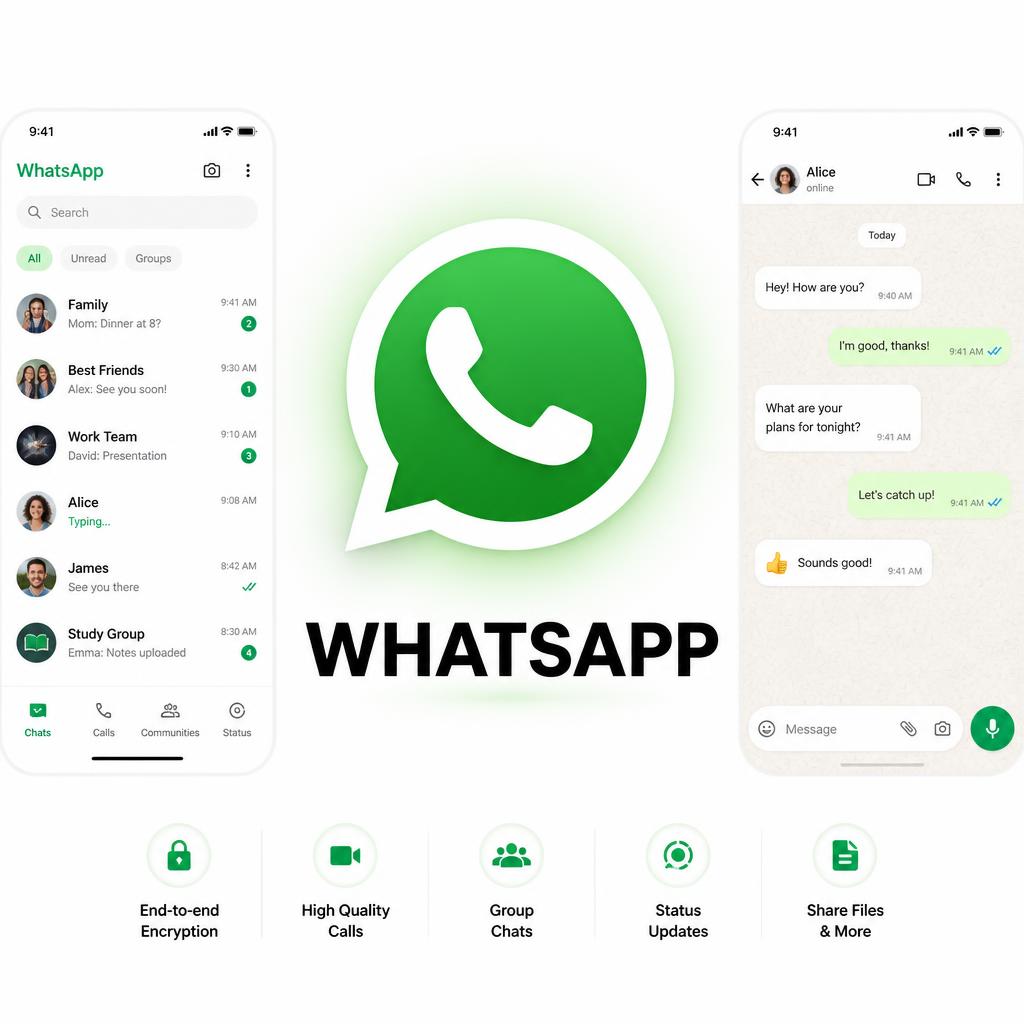
A WhatsApp account serves as the foundation for messaging, voice communication, media sharing, and customer engagement within the WhatsApp ecosystem.
People use WhatsApp for far more than simple text messaging. Small businesses rely on it for customer support, online sellers use it to communicate with buyers, and organizations often integrate it into broader communication strategies.
As messaging preferences continue shifting toward direct communication, WhatsApp accounts have become valuable digital assets for both personal and professional use.
Common Types of WhatsApp Accounts
- Personal WhatsApp accounts
- Business WhatsApp accounts
- Customer support accounts
- Community management accounts
- Marketing communication accounts
- International communication accounts
- Team collaboration accounts
Key Features
Fast Global Communication
WhatsApp enables users to communicate with contacts across different countries and regions with minimal friction.
Voice and Video Calling
Accounts support voice calls and video calls, allowing users to maintain communication without relying solely on traditional phone networks.
Media Sharing
Users can exchange documents, photos, videos, audio files, and other content directly through conversations.
Business Communication Tools
Business-focused accounts provide tools designed for customer engagement, automated responses, catalogs, and service inquiries.
Cross-Device Accessibility
Many users appreciate the ability to access conversations across multiple supported devices while maintaining workflow continuity.
Privacy Controls
WhatsApp includes various privacy settings that help users manage visibility, contact interactions, and communication preferences.
Benefits of WhatsApp Accounts
A well-managed WhatsApp account can provide advantages that extend beyond everyday messaging.
Improved Customer Response Times
Businesses often use WhatsApp to provide quick answers to customer inquiries, reducing communication delays.
Higher Engagement Rates
Messages sent through direct communication channels frequently receive faster attention than traditional email communication.
Simplified International Communication
People communicating across borders often find WhatsApp more convenient than standard texting services.
Stronger Relationship Building
Direct messaging creates a more personal communication experience, helping maintain stronger customer and community relationships.
Mobile-First Convenience
Most interactions occur through smartphones, making WhatsApp particularly effective for users who spend much of their time on mobile devices.
Popular Use Cases
Customer Support
Many companies use WhatsApp as a customer service channel where clients can ask questions and receive assistance.
E-Commerce Communication
Online sellers often communicate with customers regarding orders, shipping updates, and product inquiries.
Team Coordination
Small teams frequently rely on WhatsApp groups to manage projects, schedules, and daily communication.
Community Management
Communities, clubs, educational groups, and local organizations use WhatsApp to share updates and announcements.
International Networking
Professionals working with global contacts often choose WhatsApp because of its widespread adoption.
Who Should Use WhatsApp Accounts?
WhatsApp accounts can be useful for a wide range of users.
Entrepreneurs
Business owners often use WhatsApp to maintain direct communication with customers and partners.
Customer Service Teams
Support representatives can manage inquiries through messaging-based conversations.
Freelancers
Freelancers frequently communicate with clients through WhatsApp due to its convenience and accessibility.
Remote Teams
Distributed teams benefit from quick communication and group collaboration features.
Everyday Users
Friends, family members, and social groups continue to rely on WhatsApp for personal communication.
Why This Category Matters
Communication platforms continue evolving, yet WhatsApp remains a major channel for direct interaction.
Users searching within this category are often looking for information related to account management, profile usage, business communication opportunities, security practices, messaging workflows, and platform-specific insights.
By understanding how different account types function, users can make more informed decisions regarding communication strategies and digital engagement.
Important Considerations
Account Security
Strong passwords, secure devices, and account recovery options help protect account access.
Privacy Management
Reviewing privacy settings regularly can improve control over profile visibility and communications.
Responsible Usage
Professional communication standards should be maintained when using WhatsApp for business purposes.
Device Protection
Securing the mobile device associated with an account is just as important as securing the account itself.
Compliance Awareness
Businesses should remain aware of applicable regulations, customer communication requirements, and platform policies.
Expert Insights
Organizations that achieve the best results through WhatsApp rarely treat it as just another messaging application.
Successful users often establish communication guidelines, response expectations, customer service workflows, and privacy standards. Consistency matters more than volume.
For businesses, customers increasingly expect fast and personalized communication. WhatsApp can help meet those expectations when used thoughtfully and professionally.
For individual users, maintaining organized conversations, managing privacy settings, and keeping account information current can significantly improve the overall experience.
Best Practices
Keep Profile Information Updated
Accurate profile details help create a more trustworthy communication experience.
Use Clear Communication
Short, direct messages often produce better engagement and fewer misunderstandings.
Enable Security Features
Use available security settings to strengthen account protection.
Organize Contacts Efficiently
Well-managed contact lists help streamline communication.
Maintain Professional Standards
Business-related conversations should remain clear, respectful, and timely.
Review Privacy Settings Periodically
Privacy preferences may change over time, making periodic reviews worthwhile.
Frequently Asked Questions
What is a WhatsApp account?
A WhatsApp account allows users to send messages, make calls, share media, and communicate through the WhatsApp platform. It can be used for both personal and professional purposes.
Can businesses use WhatsApp professionally?
Yes. Many businesses use WhatsApp to communicate with customers, answer inquiries, provide support, and share updates through dedicated business profiles.
Is WhatsApp suitable for international communication?
Yes. WhatsApp is widely used around the world and supports communication between users across different countries and regions.
Are WhatsApp accounts used only on mobile devices?
No. While mobile devices remain the primary access point, supported desktop and web-based access options are also available.
How can users improve account security?
Users should enable available security features, protect their devices, and regularly review account settings to reduce risks.
Why do businesses prefer WhatsApp for customer communication?
Many businesses appreciate the direct communication experience, faster response opportunities, and strong customer engagement potential.
Can WhatsApp support team communication?
Yes. Teams frequently use group conversations and messaging features to coordinate projects and daily activities.
What industries commonly use WhatsApp?
Retail, e-commerce, education, consulting, healthcare administration, hospitality, and service-based industries frequently use WhatsApp for communication.
Is WhatsApp useful for freelancers?
Freelancers often use WhatsApp to maintain direct communication with clients, schedule meetings, and discuss project updates.
How often should privacy settings be reviewed?
Reviewing privacy settings every few months is a practical approach, especially after major platform updates.
What makes WhatsApp popular globally?
Its ease of use, broad adoption, communication flexibility, and support for messaging, calling, and media sharing contribute to its widespread popularity.
Can WhatsApp be part of a customer service strategy?
Yes. Many organizations incorporate WhatsApp into customer support workflows to provide faster and more convenient communication channels.
Final Thoughts
WhatsApp accounts continue to play an important role in personal communication, business operations, customer engagement, and community interaction. Understanding account features, security considerations, communication practices, and professional use cases helps users maximize the value of the platform while maintaining an efficient and secure experience.
You Might Also Like
Buy WeChat Account Online – Fast & Easy Purchase
TextFree Account for Sale – Ready to Use

Buy USA TextNow Account for Sale

Fresh Google Voice Account for Sale